

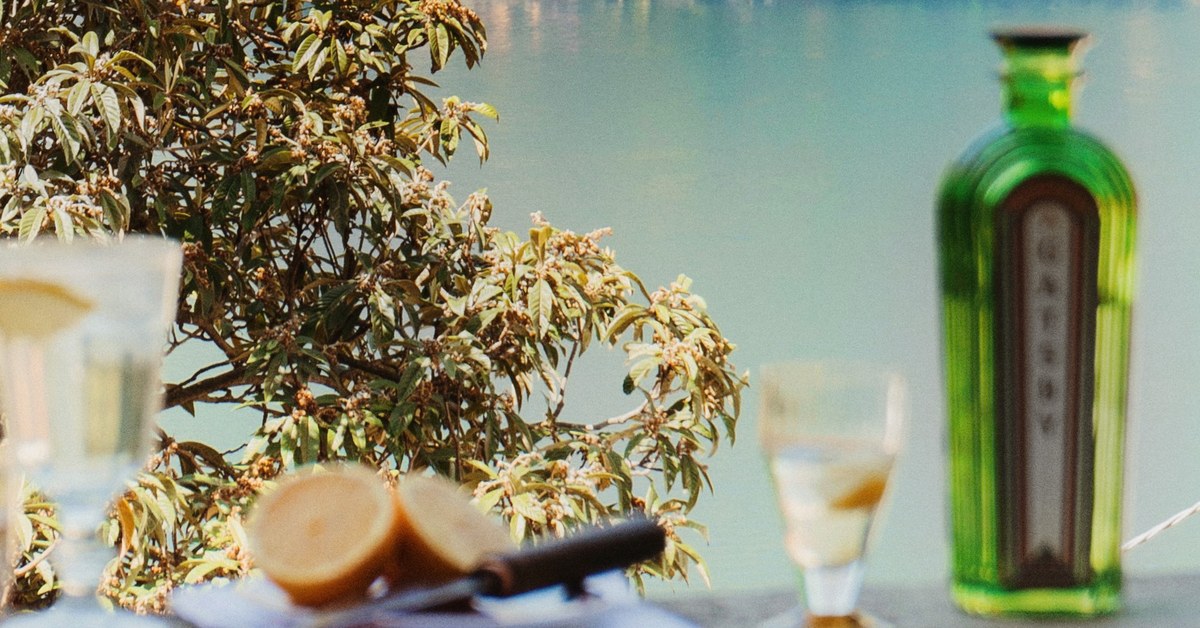
Tonic water is a carbonated soft drink made bitter with quinine, a compound from the bark of the cinchona tree, and sweetened to balance the bitterness. That bittersweet taste is what separates it from soda water, club soda, seltzer and sparkling water, which are carbonated water with little or nothing added, no sugar and no calories. In the United States, quinine may go into carbonated drinks only as a flavor, at no more than 83 parts per million, so today's tonic is a mixer, not a medicine.
Below: what is in a bottle of tonic, how much quinine and sugar it holds, how it compares with the other fizzy waters, where it came from, and how to choose one for a gin and tonic.
| What is in it | Taste | In a 12 oz bottle | |
|---|---|---|---|
| Tonic water | Carbonated water, sugar or corn syrup, quinine, citric acid | Bitter, then sweet | About 124 calories, 32 g sugar |
| Light or diet tonic | Quinine with less sugar, or a sweetener such as aspartame | Bitter, less sweet | Fewer calories, down to almost none |
| Club soda | Carbonated water with added mineral salts | Clean, faintly salty | No calories, no sugar |
| Seltzer | Carbonated water, nothing added | Neutral | No calories, no sugar |
| Sparkling mineral water | Spring or well water with minerals of its own | Depends on the source | No calories, no sugar |
What is in tonic water?
Read the label on a regular tonic and you will usually find four things: carbonated water, a sweetener, quinine and citric acid, often with natural flavors. The sweetener in a regular tonic is sugar or high-fructose corn syrup. Light tonics use less of it, and diet tonics replace it with a sugar substitute such as aspartame, as Wikipedia's entry on tonic water notes. The citric acid and flavors add a citrus lift. The quinine is what makes it tonic.
Quinine is regulated as a food additive. Under 21 CFR 172.575, it may be used only as its hydrochloride or sulfate salt, only as a flavor in carbonated drinks, and at no more than 83 parts per million. The label must declare it, either with the word "quinine" in the name of the drink or in a separate statement, which is why tonic is sometimes sold as quinine water. It is the same drink.
How much quinine is in tonic water?
Very little. 83 parts per million is 83 milligrams in a liter, so a 12-ounce bottle at the legal maximum holds under 30 milligrams of quinine, and the 4½ ounces in a gin and tonic about 11.
For scale, the only quinine drug the FDA has approved is a prescription treatment for malaria, and its label sets the adult dose at 648 milligrams of quinine sulfate, taken every eight hours for a week. Tonic water was once the way British officials and soldiers took that medicine. Today's tonic keeps the taste and leaves the dose behind.
What does tonic water taste like?
Bitter first, then sweet, with a little citrus at the end. Quinine is intensely bitter, and the sugar in a regular tonic is there to balance it, so a full-sugar tonic tastes rounded and a diet tonic tastes sharper and thinner. Cold and freshly opened, tonic is crisp; warm and flat, it turns syrupy. That bitter edge is exactly why it suits gin. It sits against juniper and citrus peel the way a squeeze of grapefruit would, as we describe in what gin tastes like.
Why tonic water glows under a black light
Quinine is fluorescent. Under ultraviolet light it gives off a bright blue glow, peaking at around 460 nanometers, as Wikipedia's entry on quinine records, and tonic water carries enough of it to light up a glass under a black light. So does a gin and tonic, a little more faintly. In strong sunlight against a dark background, you can sometimes catch a blue haze in the glass.
Tonic water vs soda water, club soda, seltzer and sparkling water
All five are clear and fizzy, and only tonic is sweet or bitter. The other four are carbonated water with little or nothing added. Club soda has mineral salts added, such as sodium bicarbonate or potassium sulfate, which give it a faint saltiness. Seltzer is carbonated water and nothing else. Sparkling mineral water comes from a spring or well with minerals of its own, and none may be added. Soda water and sparkling water are the everyday names for the whole family, as Wikipedia's entry on carbonated water lists them. A bottle labeled sparkling water is not tonic unless it declares quinine.
So they do not swap one for one. Replace the tonic in a gin and tonic with any of the others and you have a gin and soda: drier, lighter, with a cleaner taste of the gin itself and no extra calories. Put tonic into a gin rickey instead of soda water and you add sugar and bitterness the drink was never built for. How each fizzy water behaves in a gin highball, and the federal standard behind mineral water, is in what to mix with gin.
Tonic water calories and sugar
Regular tonic water has about as much sugar as a soft drink, because it is one. USDA data puts it at 34 calories and 8.8 grams of sugar per 100 grams, which comes to about 124 calories and 32 grams of sugar in a 12-ounce bottle (USDA FoodData Central). The same data lists a regular cola at about 10.6 grams of sugar per 100 grams, so tonic is not far behind. In a gin and tonic, 4½ ounces of tonic add about 47 calories and 12 grams of sugar to the gin's own.
Club soda and seltzer have no calories and no sugar. Club soda does carry a little sodium from its mineral salts, about 75 milligrams in a 12-ounce can by USDA figures, against about 44 in the same amount of tonic. Light tonics cut the sugar and diet tonics remove it, but recipes vary, so the label is the only reliable guide. What tonic does to the calories of the whole drink, gin included, is laid out in gin calories.
Is tonic water good for you? Quinine and leg cramps
Tonic water is a sweetened soft drink, and the sugar figures above apply to it like any other: a regular tonic is nearer a cola than a glass of water. The quinine is there for flavor, at a small fraction of a medical dose.
That matters for one question in particular: whether tonic water helps with leg cramps. Quinine was once sold over the counter for night-time leg cramps, but in 1994 the FDA ruled that there was not enough evidence it was safe and effective for them and that its risks outweighed any benefit, and since 1995 over-the-counter products sold for leg cramps have been subject to regulatory action (21 CFR 310.546). The prescription quinine drug is not approved for leg cramps either, and its label warns that using it for them may cause serious and life-threatening blood reactions. Tonic water, with far less quinine, is no remedy. If leg cramps are a problem, ask a doctor. And because the label has to declare quinine, anyone who has been told to avoid it can check before they pour.
Why it is called tonic: a short history
A tonic, in the old sense, was a medicine taken to restore strength, and tonic water began as exactly that. Its quinine comes from cinchona, a genus of trees native to the tropical forests of the Andes. Indigenous peoples of Peru, Bolivia and Ecuador used the bark as a remedy and showed it to the Spanish, who used it against malaria. The famous story that the bark cured a Countess of Chinchón is generally rejected as legend, although Carl Linnaeus named the genus after her in 1742, as the history of cinchona sets out.
The French chemists Pierre Joseph Pelletier and Joseph Bienaimé Caventou first isolated quinine from the bark in 1820. In nineteenth-century British India, quinine was recommended to officials and soldiers to prevent malaria, and they mixed it with soda and sugar to mask its bitterness, then with gin. The first commercial tonic water followed in 1858, made by Erasmus Bond, according to Wikipedia's entry on tonic water. The name Indian tonic water, still printed on some labels, recalls where the habit began. The drink that came of it, and how we pour it, has its own page: how to make a gin and tonic.
How to choose tonic water for gin
- Look for quinine on the label. It has to be declared, and without it the bottle is a flavored soda, not tonic.
- Check the sweetener. Cane sugar, corn syrup and sugar substitutes each taste different, and the amount runs from a full soft drink's worth down to none. Less sugar lets more of the gin through.
- Match the flavor to the gin. A classic, plainly bitter tonic suits a juniper-led gin. Flavored tonics, from elderflower to cucumber or herbs, lean toward lighter, floral gins and can crowd out a gin with a strong character of its own.
- Buy small bottles and keep them cold. Tonic goes flat long before gin loses anything, as we explain in does gin go bad, so a small bottle means a full fizz in every glass.
Gatsby Gin is a London Dry gin of ten botanicals, made in small batches in a copper pot still in Fort Myers, Florida. With a classic tonic the juniper leads, its lemon peel and bitter orange peel meet the quinine, and its cassia bark and turmeric come through as warmth at the finish. We pour it one part gin to three of tonic, over plenty of ice, with a strip of lemon. What makes a gin London Dry, and the rules behind the name, is in what is London Dry gin.
Can you drink tonic water on its own?
Yes. Tonic water is a non-alcoholic soft drink, and over ice with a wedge of lime it makes a bitter, grown-up alternative to a cola. Some people find it too bitter on its own, and a splash of fruit juice or soda water softens it. It contains no alcohol until a spirit goes in.
Frequently asked questions about tonic water
What is tonic water made of?
Carbonated water, a sweetener such as sugar or high-fructose corn syrup, quinine for bitterness, and usually citric acid and natural flavors. Diet tonics replace the sugar with a sugar substitute.
What is the difference between tonic water and club soda?
Tonic water is sweetened and made bitter with quinine, with about 124 calories in a 12-ounce bottle. Club soda is carbonated water with added mineral salts, with no sugar and no calories.
Is tonic water the same as sparkling water?
No. Sparkling water is carbonated water with nothing added, or only minerals. Tonic water adds quinine and, unless it is a diet tonic, sugar.
Is tonic water alcoholic?
No. Tonic water is a non-alcoholic soft drink. It only contains alcohol once it is mixed with gin or another spirit.
How much quinine is in tonic water?
In the United States, no more than 83 parts per million, or 83 milligrams per liter. That is under 30 milligrams in a 12-ounce bottle.
Does tonic water help with leg cramps?
It is not a treatment for them. The FDA has ruled that quinine's risks outweigh any benefit for night-time leg cramps, and the prescription quinine drug is not approved for them. Tonic water holds only a small amount of quinine, as a flavoring. If leg cramps are a problem, ask a doctor.
How many calories are in tonic water?
About 124 calories and 32 grams of sugar in a 12-ounce bottle of regular tonic, according to USDA data. Diet tonics have almost none.
Why does tonic water glow under a black light?
The quinine in it is fluorescent. Under ultraviolet light it glows bright blue, and so does a gin and tonic.
Is quinine water the same as tonic water?
Yes. US rules require tonic to declare quinine on the label, either in the name or in a separate statement, so some bottles call it quinine water.
Can you drink tonic water by itself?
Yes. It is a non-alcoholic soft drink and can be served over ice with lime, though many people find it quite bitter on its own.
What tonic water is best for gin?
A classic, lightly sweetened tonic with a clear quinine bitterness suits a juniper-led London Dry gin. Flavored tonics work better with lighter, floral gins.