

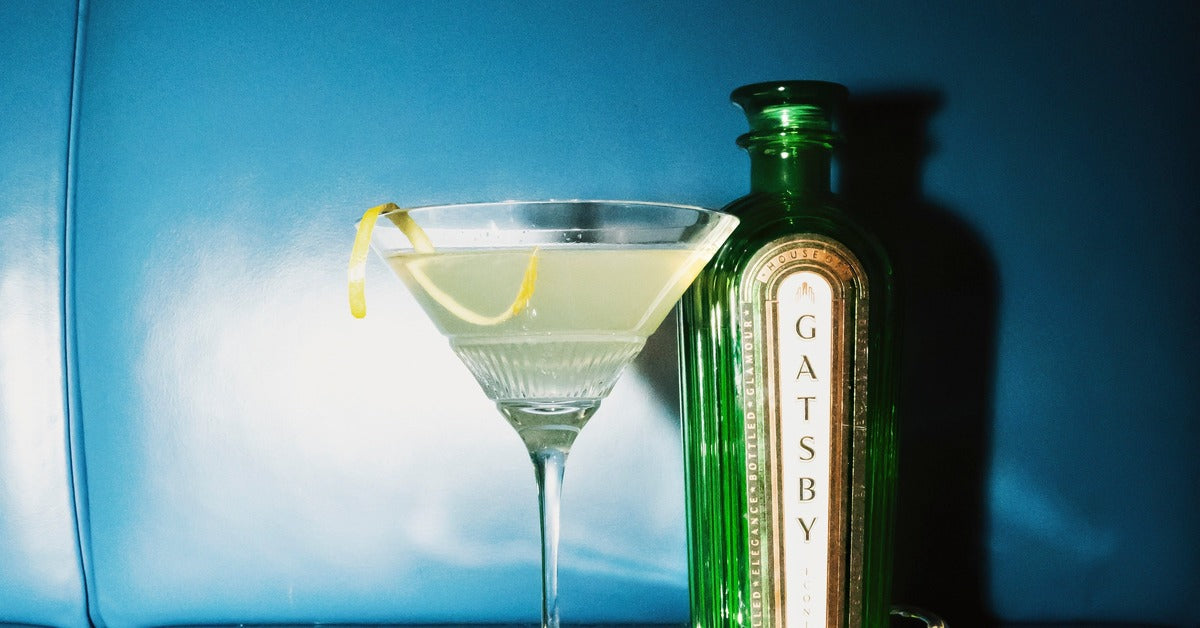
Gin tastes of pine and citrus first, then spice, and it finishes dry. The pine is juniper, the one flavor every gin is required by law to lead with. The citrus comes from dried peel, the spice from seeds, roots and bark, and the dryness from the absence of sugar in a classic gin. What changes from one bottle to the next is the balance: how loud the juniper is, and what the distiller has built around it.
Gin has a reputation for dividing a room. People who say they do not like it are usually remembering one glass, often a cheap pour where the juniper was harsh and nothing else was there to balance it. A well-made gin tastes very different, and it helps to know what you are tasting.
Juniper: where the pine comes from
Juniper is a conifer, and what gin calls a berry is botanically a small, fleshy cone. Its most abundant aroma compound, alpha-pinene, is the same one that gives pine needles their smell. That is why the first word most people reach for is pine, and the second is Christmas tree.
Tasted with attention, juniper is more interesting than that comparison suggests. There is the resinous, piney note at the front, a bright citrus edge behind it (juniper also carries limonene, the compound that scents lemon peel), and a dry, faintly bitter finish that cleans the palate. That bitterness is what makes gin so useful in a cocktail. It cuts through sweetness and keeps a drink from turning heavy.
Federal law makes juniper non-negotiable. To be sold as gin in the United States, a spirit must derive its main characteristic flavor from juniper berries. So every gin tastes at least somewhat of pine. The only questions are how much, and what surrounds it.
The gin flavor profile, from first sip to finish
Most gins are built in three layers, and they arrive roughly in order of how light they are.
The top: citrus. Dried lemon peel and orange peel supply the brightest, most volatile aromas. They are what you smell first when you lift the glass, and the first to fade.
The middle: seed and spice. Coriander seed is the near-universal second botanical after juniper, and it tastes of citrus and warm pepper rather than of the cilantro its leaves become. Cardamom adds a fresh, aromatic lift. Cassia bark, a close relative of cinnamon, brings warmth. This is the layer where gins differ most, because it is where distillers make their choices.
The base: roots. Angelica root is earthy and dry. Orris root is faintly floral, closer to violets than to anything you would call a root. Few people could name either one in the glass, but together they give a gin its length, which is why the flavor holds for several seconds after you swallow instead of dropping away. Licorice root sits here too and rounds the edges.
When a bottle calls itself "citrus-forward" or "juniper-forward", it is telling you which layer the distiller turned up. The production side of this, from neutral spirit to still, is in how gin is made, and what is actually in it.
Is gin sweet or bitter?
Neither, in the way most people mean. A classic gin is dry: it carries no sugar, so nothing in it is sweet the way a liqueur is. Nor is it bitter the way tonic water or an amaro is. The accurate word is dry, with a clean bitter edge from juniper and citrus peel on the finish.
Some gins read softer than others, and that roundness usually comes from licorice root or orris rather than from sugar. The sweet exceptions are deliberate. Old Tom is a lightly sweetened historical style, and sloe gin is a liqueur made by steeping sloe berries in gin, so it tastes of fruit and sugar. If a gin tastes sweet, it is usually one of those, or it is in a mixer.
How strength and temperature change the flavor
Alcohol carries aroma. The higher a gin's strength, the more aromatic oil it holds and the more intensely it delivers it, which is why gins bottled well above the 40 percent legal minimum tend to taste fuller in a mixed drink. The trade-off shows up when you drink it neat, where the alcohol itself can crowd the palate.
Water gets you both. A few drops in a glass of neat gin loosen the aromatics and soften the alcohol, and the Wine & Spirit Education Trust recommends exactly that before nosing a gin. It is part of why a martini, stirred over ice until roughly a quarter of it is melted water, can taste more aromatic than the same gin poured straight.
Temperature works the other way. Cold mutes aroma, so a gin straight from the freezer tastes quieter and cleaner, while a gin at room temperature shows everything it has, faults included.
What a gin and tonic tastes like
A gin and tonic tastes bright, dry and bittersweet, and for many people it is the way into gin. Tonic water brings two things gin does not have: quinine, which is sharply bitter, and sugar, which balances it. The bubbles lift the gin's aromatics toward your nose, so the citrus and juniper come through more clearly than they would in a still drink.
The result depends heavily on the gin. A juniper-heavy gin makes a sharp, piney drink. A citrus-forward gin makes a brighter, softer one. A gin with plenty of spice gives it warmth and length. A twist or wedge of citrus pushes it further in whichever direction the gin already leans. The house recipe, the Gatsby & Tonic, is on the cocktails page.
How to taste gin if you think you do not like it
Start neat, in a small glass at room temperature, with about half an ounce. Nose it first, gently, with your mouth slightly open. Take a small sip and hold it for a moment before you swallow. Then add a few drops of water and do it again, and notice what changes.
Next, taste it the way most gin is meant to be drunk. Gin is built to work with something that pushes back: the bitterness of tonic, the herbal sweetness of vermouth, the lemon and sugar of a French 75. If a gin tastes sharp neat but balanced in a drink, it is doing its job. If it tastes harsh in both, the problem is the bottle, not the category.
Gatsby Gin, in the glass
Gatsby Gin is a classic, juniper-led build of ten botanicals, distilled in small batches in a copper pot still in Fort Myers, Florida, and bottled at 44.8 percent alcohol by volume, or 89.6 proof.
On the nose, citrus oil from lemon peel and bitter orange comes first, then the juniper, with orris in the background and the warmth of cardamom and cassia bark underneath. On the palate the juniper leads, the citrus stays bright, coriander adds a peppery, herbal edge, and turmeric lends a warm, golden note. The finish is long, dry and gently spiced. The full ten, and what each one contributes, are in behind the bottle: the ten botanicals in Gatsby Gin.
Two tasting panels have judged it in 2026: Silver in the Ultra-Premium category at The Gin Masters, tasted blind, and Silver in Classic Gin at the ADI International Spirits Competition.
Frequently asked questions about how gin tastes
What does juniper taste like?
Resinous and piney at first, with a citrus edge and a dry, slightly bitter finish. Its most abundant aroma compound, alpha-pinene, is the same one that gives pine needles their scent, which is why gin is so often compared to a Christmas tree.
What does gin taste similar to?
Its closest relatives are other botanical spirits. Genever, the Dutch spirit gin descends from, also leads with juniper but has a rounder, maltier body. Aquavit, from Scandinavia, is made in a similar way with caraway or dill in place of juniper. Outside spirits, the nearest comparison for a classic gin is fresh pine, lemon zest and cracked coriander seed together.
Is gin stronger tasting than vodka?
Yes. Vodka is generally made to taste of very little, while gin starts from the same kind of neutral spirit and is then redistilled with juniper and other botanicals. At the same strength, gin simply has far more flavor.
Is gin OK to drink straight?
Yes. A well-made gin can be sipped neat or over a single large ice cube, and tasting it straight is the clearest way to understand what it will bring to a drink. Add a few drops of water if the alcohol is too prominent.
Do all gins taste the same?
No. Juniper is the common thread, but styles vary widely. London Dry gins tend to be crisp and juniper-led. Contemporary gins turn the juniper down and let citrus, florals or fruit lead. Old Tom is lightly sweetened, and barrel-rested gins pick up vanilla and wood from the cask.