

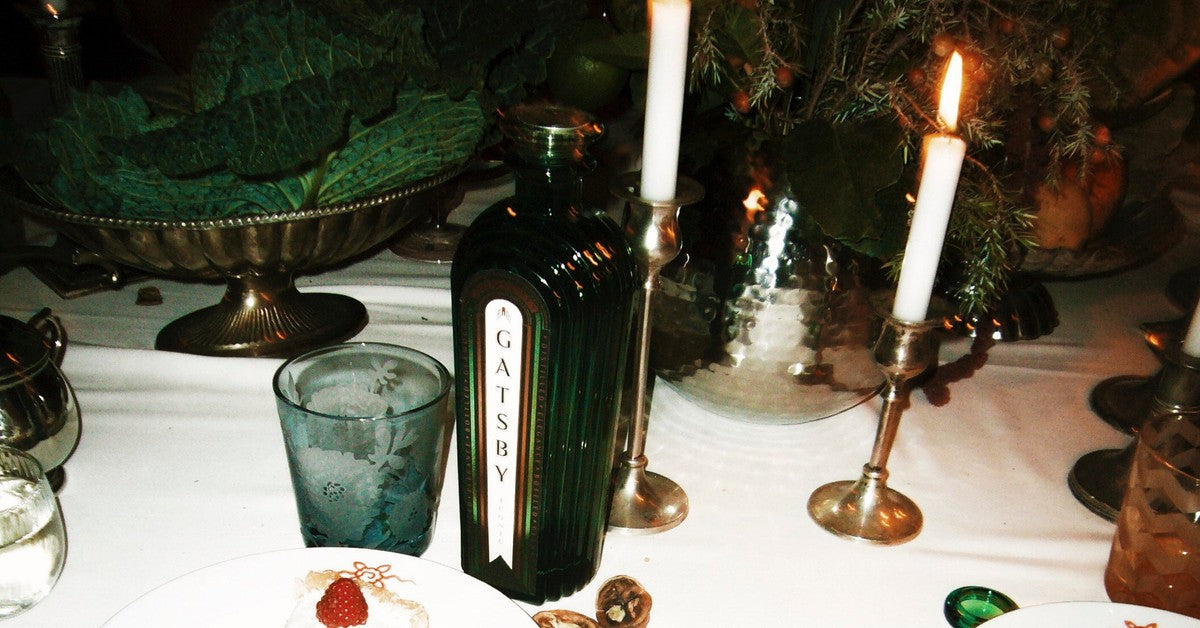
No. Gin does not spoil, and an unopened bottle of plain gin keeps indefinitely if it is stored out of heat and sunlight. At 40 percent alcohol or more, nothing that spoils food can grow in it. What does change, once the bottle is open, is the taste: the aromatic oils that carry gin's juniper and citrus slowly fade, and most distillers suggest finishing an opened bottle within about a year.
So the real question is not whether an old bottle has gone off, but whether it still tastes the way it should. Below is how long gin keeps, what makes it fade, how to store it, and the exceptions worth knowing: flavored gins, sloe gin, and the tonic water you pour it with.
Does gin expire?
Gin has no expiration date, and US rules do not ask for one. Federal regulations set out what a distilled spirits label must carry, including the brand name, the class or type, the alcohol content, the bottler's name and address and the net contents, in 27 CFR 5.63. A use-by date is not on the list. Any date or code you find on a gin bottle is the producer's own, usually to track the batch.
How long does unopened gin last?
Indefinitely, as long as the seal holds and the bottle is kept somewhere cool and dark. A closed bottle holds very little air, so the gin inside barely changes. It does not improve with time either. Unlike wine, a spirit stops developing once it is bottled, so a gin that has sat in a cupboard for ten years tastes much as it did the day it was filled.
The weak point of a very old bottle is the closure. A cork or stopper can dry out or crumble over decades, and once the seal fails, air gets in and alcohol slowly evaporates. If the level in an old bottle has dropped well below the neck, it has been breathing, and the aroma will have faded with it.
How long does gin last once opened?
Opened gin does not go off, but it does fade. Each time the bottle is opened, a little of the most volatile aroma escapes, and the air left in the bottle slowly reacts with the botanical oils. The bright top notes, citrus especially, are usually the first to go. Juniper and the warmer spices hold on longer. Those oils are where all of gin's flavor lives, as explained in how gin is made, and what is actually in it.
The emptier the bottle, the faster this happens, because more air sits on top of less gin. A nearly full bottle opened now and then will taste fresh for many months. A bottle with a few inches left at the bottom is the one to finish first.
How to tell if gin has gone bad
Pour a little and smell it. A gin that has faded smells flat and sharp, with the alcohol coming through ahead of the juniper and citrus. Nothing has gone wrong with it beyond that; it simply makes a duller drink, and it still has a use in long drinks where the mixer does more of the work. What a fresh gin should smell and taste like is in what does gin taste like.
Pour it away if you see anything floating in it, if it smells musty or sour, which usually points to a failed cork, or if a flavored gin has changed color.
One thing that is not a fault: some gins turn slightly cloudy when they are very cold, or when ice and water go in. That is aromatic oil coming out of solution, and it clears again as the gin warms.
How to store gin
Keep it upright. Stored on its side, high-strength spirit sits against the cork or stopper and can break it down over time. Wine bottles lie down; spirits stand up.
Keep it cool and dark. Heat speeds up evaporation, and sunlight breaks down aroma compounds. A cupboard keeps gin better than a sunny bar cart or a shelf above the stove.
Keep it closed. Put the cap or stopper back firmly after every pour, and take out pour spouts between uses. If you want to keep the last quarter of a bottle for a while, moving it into a smaller bottle cuts down the air it shares space with.
Should gin be refrigerated? Can you freeze gin?
Gin does not need the refrigerator, and room temperature is fine for storage. Cold does it no harm either, and plenty of people keep a bottle in the freezer for martinis. It will not freeze there. A spirit at 40 percent alcohol by volume freezes at about -10°F (-23°C), according to standard tables for ethanol and water, and a home freezer runs at about 0°F. A gin bottled stronger, such as Gatsby Gin at 44.8 percent, freezes lower still.
The trade-off is aroma. Cold mutes it, so a gin straight from the freezer tastes quieter than the same gin at room temperature. That is one reason a martini is stirred over ice rather than poured straight from a frozen bottle: the ice adds a little water, and the water opens the aroma back up. How we make ours is in the art of the perfect serve.
Flavored gin, sloe gin and gin liqueurs
Sweetened and flavored gins are the exception to all of the above. Fruit, sugar and color added after distillation change faster than the spirit around them: colors fade in light, fruit flavors dull, and lower-strength liqueurs, sloe gin among them, are best finished within months of opening rather than years. If the label carries storage or best-before guidance, follow it. The difference between these styles and a classic gin is laid out in types of gin, every style explained.
Does tonic water go bad?
Tonic water goes bad long before the gin does, at least as far as the drink is concerned. Unopened, it keeps until the best-by date printed on the bottle or can. Once opened, it loses its carbonation quickly, and flat tonic makes a flat gin and tonic. Keep an opened bottle in the refrigerator with the cap screwed down and use it within a day or two, or buy small bottles or cans so that every drink starts with a fresh one.
Frequently asked questions about how long gin lasts
Does gin expire?
No. Gin has no expiration date, and US rules do not require one on a spirits label. Unopened, it keeps indefinitely; once opened, its flavor slowly fades.
How long does gin last once opened?
It does not spoil, but its aroma fades over time. Most distillers suggest finishing an opened bottle within about a year, and sooner if the bottle is mostly empty.
Can you drink 10 year old gin?
If it is plain gin in a sealed bottle that has been kept away from heat and light, it will not have spoiled. Check that the closure is intact and the level has not dropped, then smell it before you pour.
Does gin need to be refrigerated?
No. Store it upright in a cool, dark cupboard. The refrigerator or freezer does no harm, but cold mutes the aroma.
Does gin freeze?
Not in a home freezer. Gin at 40 percent alcohol by volume freezes at about -10°F (-23°C), and a home freezer runs at about 0°F.
Does sloe gin go bad?
Sloe gin and other sweetened gin liqueurs change faster than plain gin once opened. Finish them within months, and follow any storage guidance on the label.
Does tonic water go bad?
Unopened tonic keeps until its best-by date. Once opened, it goes flat within a day or two, even in the refrigerator.